Weekend Wake Cap
Allow yourself to sleep in, but set a latest wake time no more than 90 minutes after your weekday anchor. This limits midpoint drift without eliminating rest.
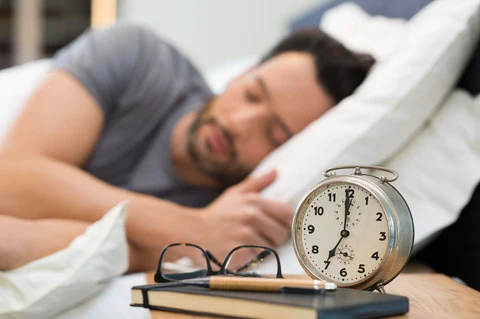
Social jetlag describes the mismatch between your weekday sleep window and your weekend habits. It is common and manageable with awareness.
| Metric | Weekday Pattern | Weekend Pattern |
|---|---|---|
| Typical wake time | 06:30 – 07:00 | 09:00 – 10:30 |
| Typical bedtime | 22:30 – 23:00 | 00:00 – 01:30 |
| Total sleep duration | 7 – 7.5 hours | 8 – 9 hours |
| Midpoint of sleep | 03:00 | 04:30 |
Analysis
A midpoint shift of more than one hour between weekday and weekend suggests your body resets its internal clock every Monday. Morning grogginess and difficulty falling asleep on Sunday evenings often follow this pattern.
The table above is a sample layout. Replace the values with your own logged data from the Rhythm Matrix guide.

These approaches aim to preserve social flexibility while narrowing the weekday-weekend gap.
Allow yourself to sleep in, but set a latest wake time no more than 90 minutes after your weekday anchor. This limits midpoint drift without eliminating rest.
Get outdoor light within an hour of your capped wake time, even if you feel tired. Light exposure helps signal the start of the active phase.
Begin dimming lights and reducing stimulation 30 minutes earlier on Sunday than on Friday. This supports an earlier bedtime before the work week.
When late evenings are unavoidable, maintain your weekday wake time the next morning rather than sleeping in. A short nap earlier in the day may help if needed.

Weekly Review
Each Sunday, calculate the midpoint of your sleep for the past seven days. Compare it to the previous week. A shrinking gap indicates progress toward schedule alignment.
Back to Rhythm MatrixIf you need clarification on how to interpret your comparison data, our team can point you toward the relevant guide section.
We use essential cookies to improve site functionality and remember your preferences. By continuing, you agree to our Privacy Policy and Cookies Policy.